.JPG)
SLOW AND STEADY WIN THE RACE
CAN THIS PROVERB BE APPLICABLE IN ANY EXAMINATIONS?
-FOR FORM FIVE CANDIDATES
-FORM SIX CANDIDATES
8 OCTOBER 2008
PLACE: SRI SADONG HALL.
TIME; BETWEEN MAGHRIB AND ISYA'


 PAPAYA, Carica papaya, CARICACEAE


 Pogostemon heyneanus "Patchouli, In Malay, it is known as Pokok Nilam.
This fragrant herb from India is famous for its use in perfumery. When you rub the leaves, they emit an exotic incense. Pluck some leaves, rub them, then soak the keaves into a basin of water. Rinse the clothes after washing. It produces a fragrant smell.
It grows well in the humid soil.
Pogostemon heyneanus "Patchouli, In Malay, it is known as Pokok Nilam.
This fragrant herb from India is famous for its use in perfumery. When you rub the leaves, they emit an exotic incense. Pluck some leaves, rub them, then soak the keaves into a basin of water. Rinse the clothes after washing. It produces a fragrant smell.
It grows well in the humid soil.

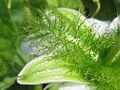
 The Foetid Passion Flower or Stinking Passion Flower (Passiflora foetida), also known as the Wild Maracuja or Running Pop
In Malay, it is known as pokok letup-letup
- is a creeping vine which has an edible fruit and leaves that have a mildly rank aroma. It is native to northern South America and the West Indies; it can also be found in South East Asian countries like Vietnam and on Hawaii.
The stems are thin, wiry and woody, covered with sticky yellow hairs. The leaves are three- to five-lobed and viscid-hairy. They give off an unpleasant odour when crushed. The flowers are white to pale cream coloured, about 5-6 cm diameter. The fruit is globose, 2-3 cm diameter, yellowish-orange to red when ripe, and has numerous black seeds embedded in the pulp; the fruit are eaten and the seeds dispersed by birds.
The bracts of this plant serve as insect traps, but it is as yet unknown whether the plant digests and gains nourishment from the trapped insects or if it merely uses the bracts as a defensive mechanism to protect its flowers and fruit. This is still an issue of debate and research among carnivorous plant enthusiasts.
This passion flower tolerates arid ground, but favours wet areas. It is known to be an invasive species in some areas.
Uses
The fruits are kumquat sized with a thin, scarlet red shell surrounding a blush-white pulp, mildly sweet, delicately flavored. Young leaves and plant tips are edible. Dry leaves are used in tea in Vietnamese folk medicine to relieve sleeping problems.
The Foetid Passion Flower or Stinking Passion Flower (Passiflora foetida), also known as the Wild Maracuja or Running Pop
In Malay, it is known as pokok letup-letup
- is a creeping vine which has an edible fruit and leaves that have a mildly rank aroma. It is native to northern South America and the West Indies; it can also be found in South East Asian countries like Vietnam and on Hawaii.
The stems are thin, wiry and woody, covered with sticky yellow hairs. The leaves are three- to five-lobed and viscid-hairy. They give off an unpleasant odour when crushed. The flowers are white to pale cream coloured, about 5-6 cm diameter. The fruit is globose, 2-3 cm diameter, yellowish-orange to red when ripe, and has numerous black seeds embedded in the pulp; the fruit are eaten and the seeds dispersed by birds.
The bracts of this plant serve as insect traps, but it is as yet unknown whether the plant digests and gains nourishment from the trapped insects or if it merely uses the bracts as a defensive mechanism to protect its flowers and fruit. This is still an issue of debate and research among carnivorous plant enthusiasts.
This passion flower tolerates arid ground, but favours wet areas. It is known to be an invasive species in some areas.
Uses
The fruits are kumquat sized with a thin, scarlet red shell surrounding a blush-white pulp, mildly sweet, delicately flavored. Young leaves and plant tips are edible. Dry leaves are used in tea in Vietnamese folk medicine to relieve sleeping problems.


TO KNOW OUR FRUITS/PLANTS 7 
 BILIMBI
In Malay, it is known as belimbing asam or belimbing buluh.
BILIMBI
In Malay, it is known as belimbing asam or belimbing buluh.
A native plant of Malaysia. It usually grows up to 10 metres tall. Commonly grown in the villages. The plant bears fruit all year round especially during the dry parts of the year.
The fruits are cylindrical in or slightly 5 angled in shape. The fruits are green to yellowish when ripe, soft and fleshy. They are juicy but taste sour. They eaten as pickles or cooked seoning or curries. It can be made as candies and jams.